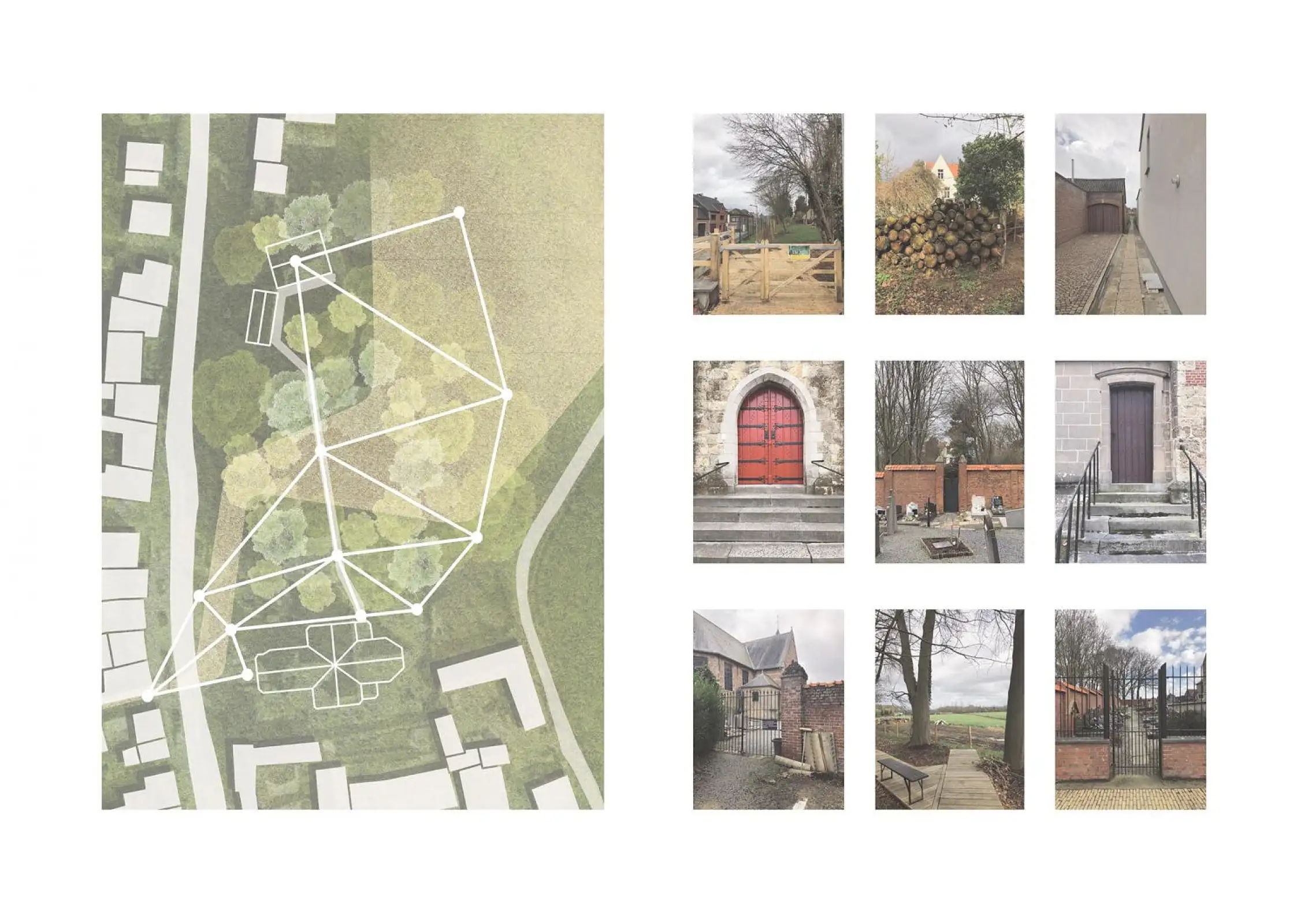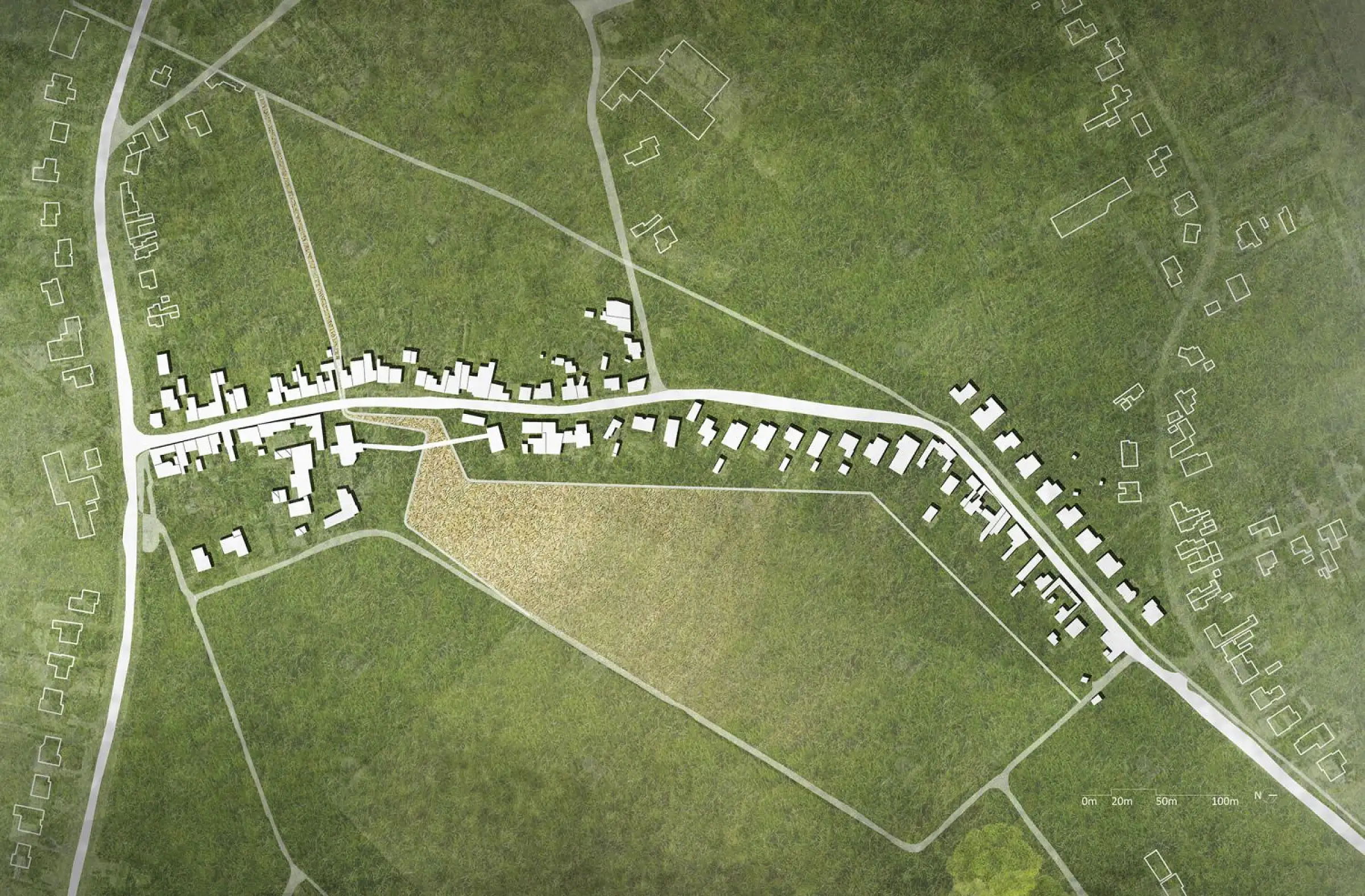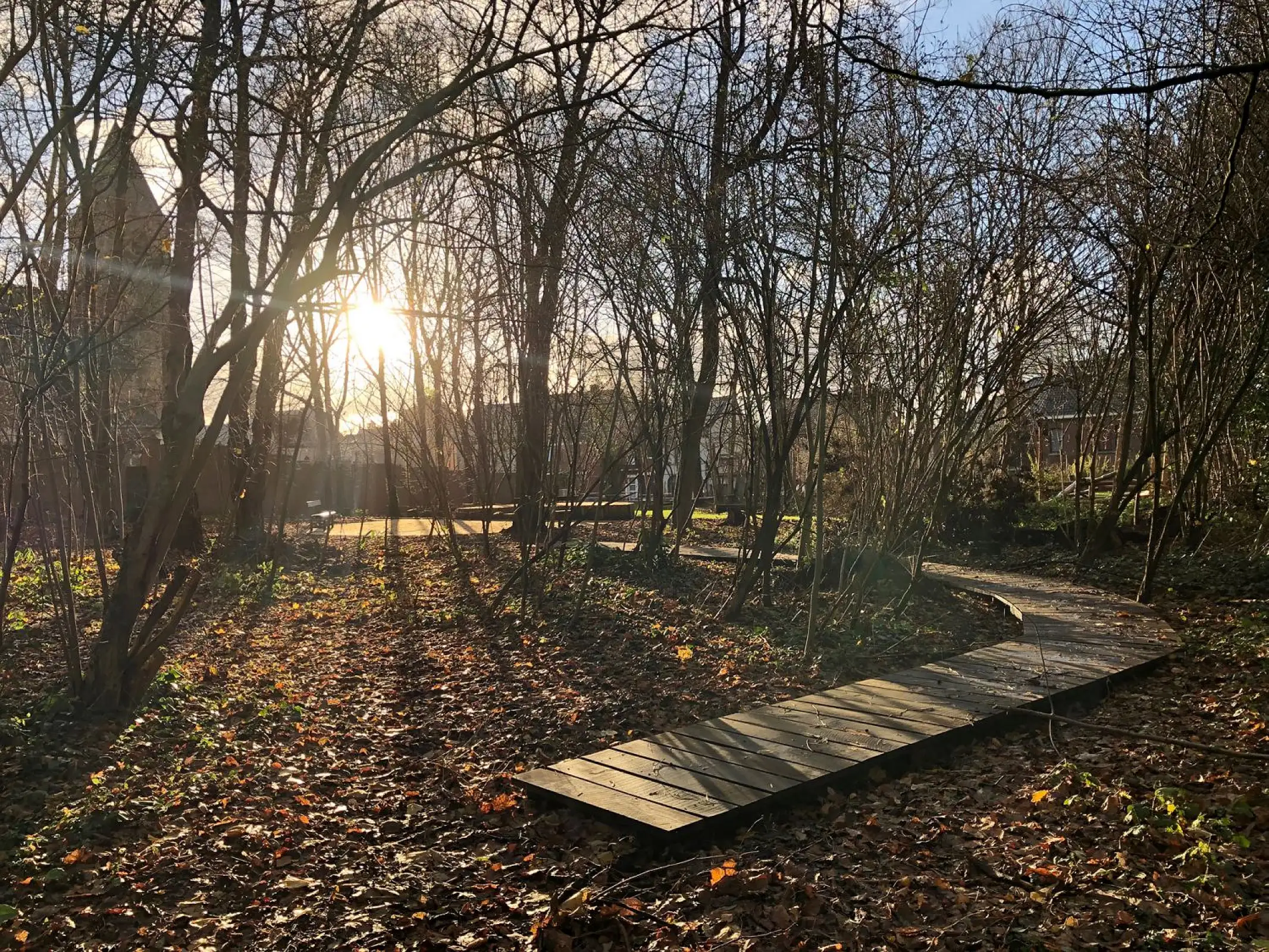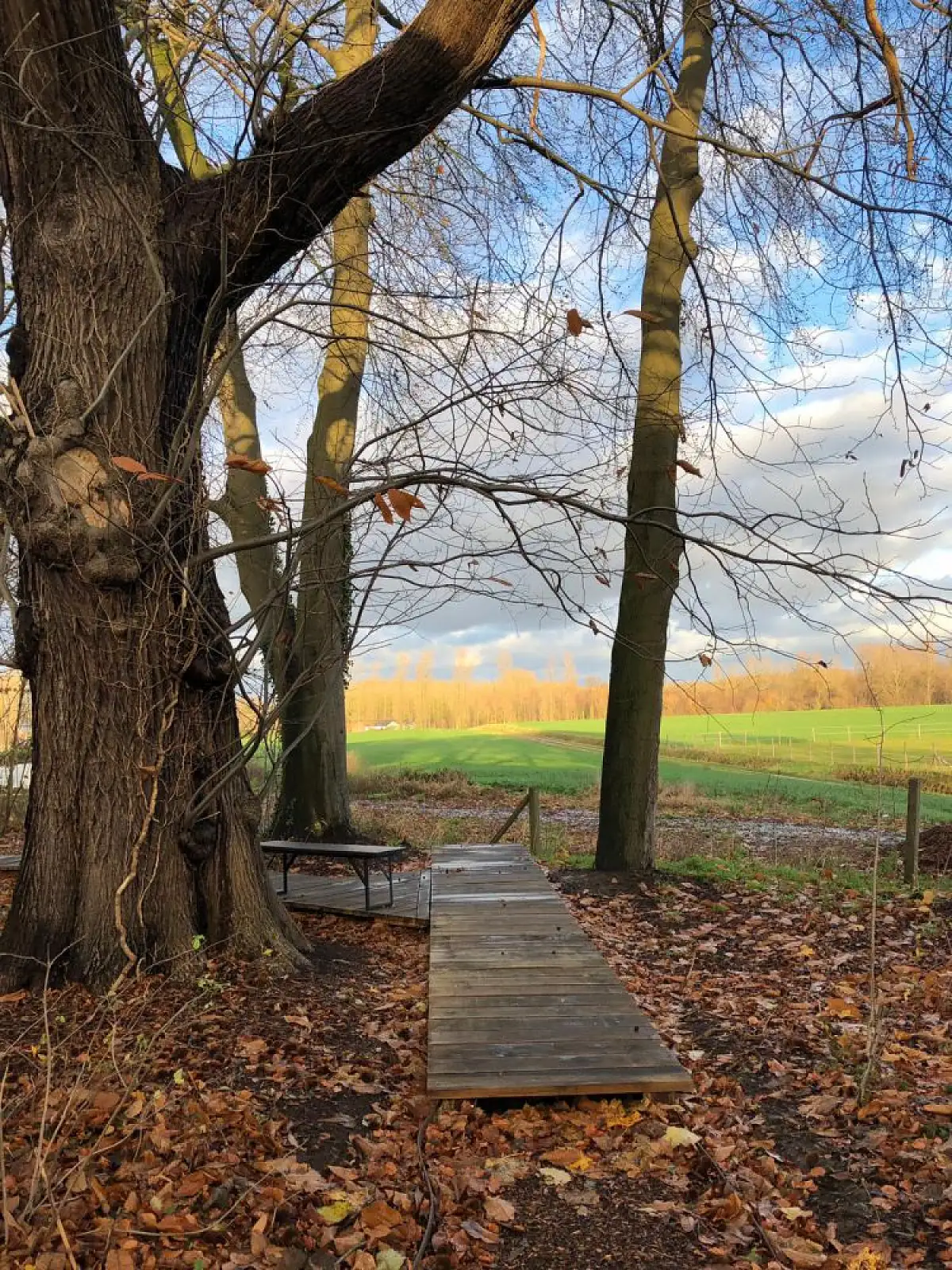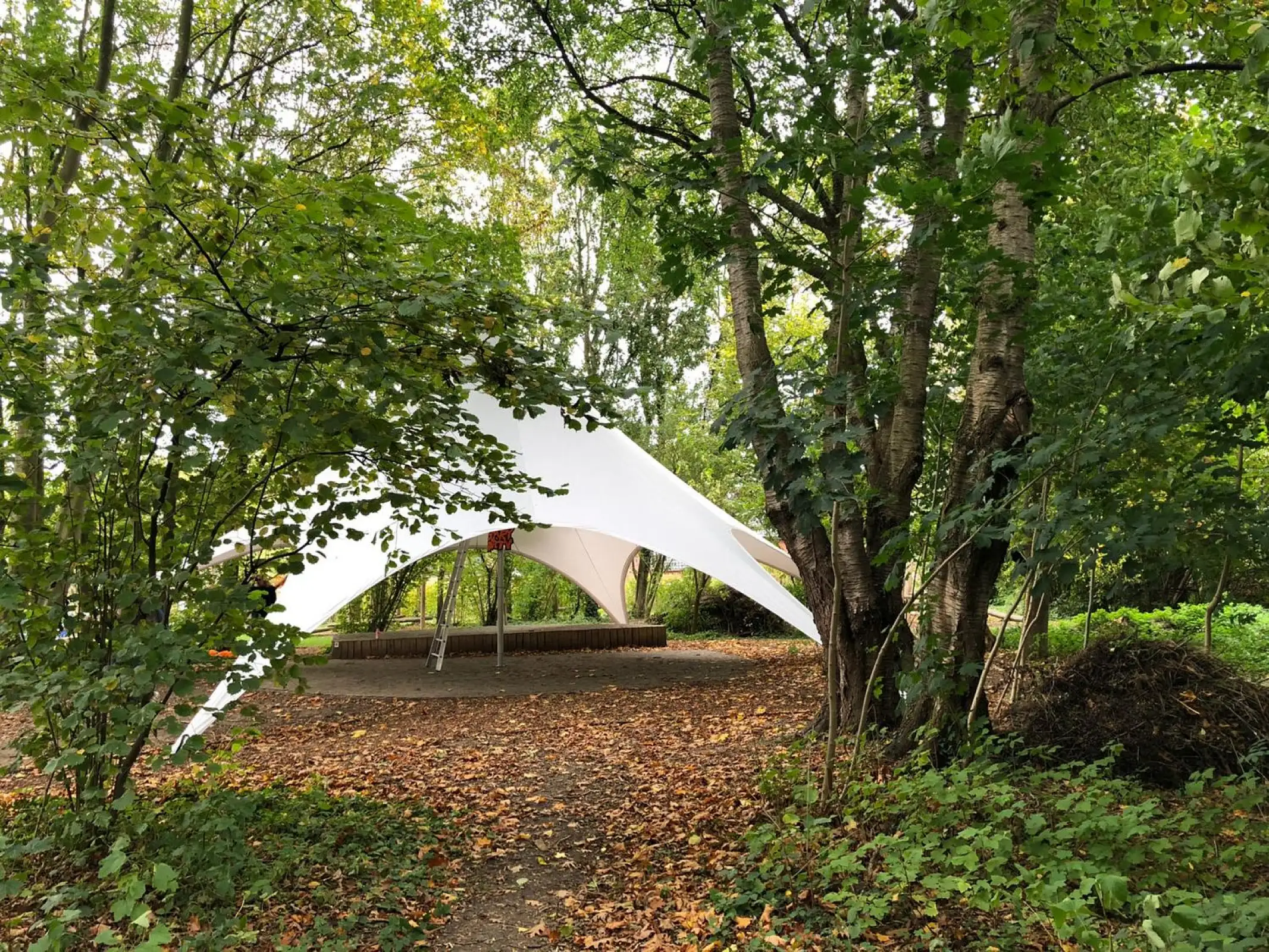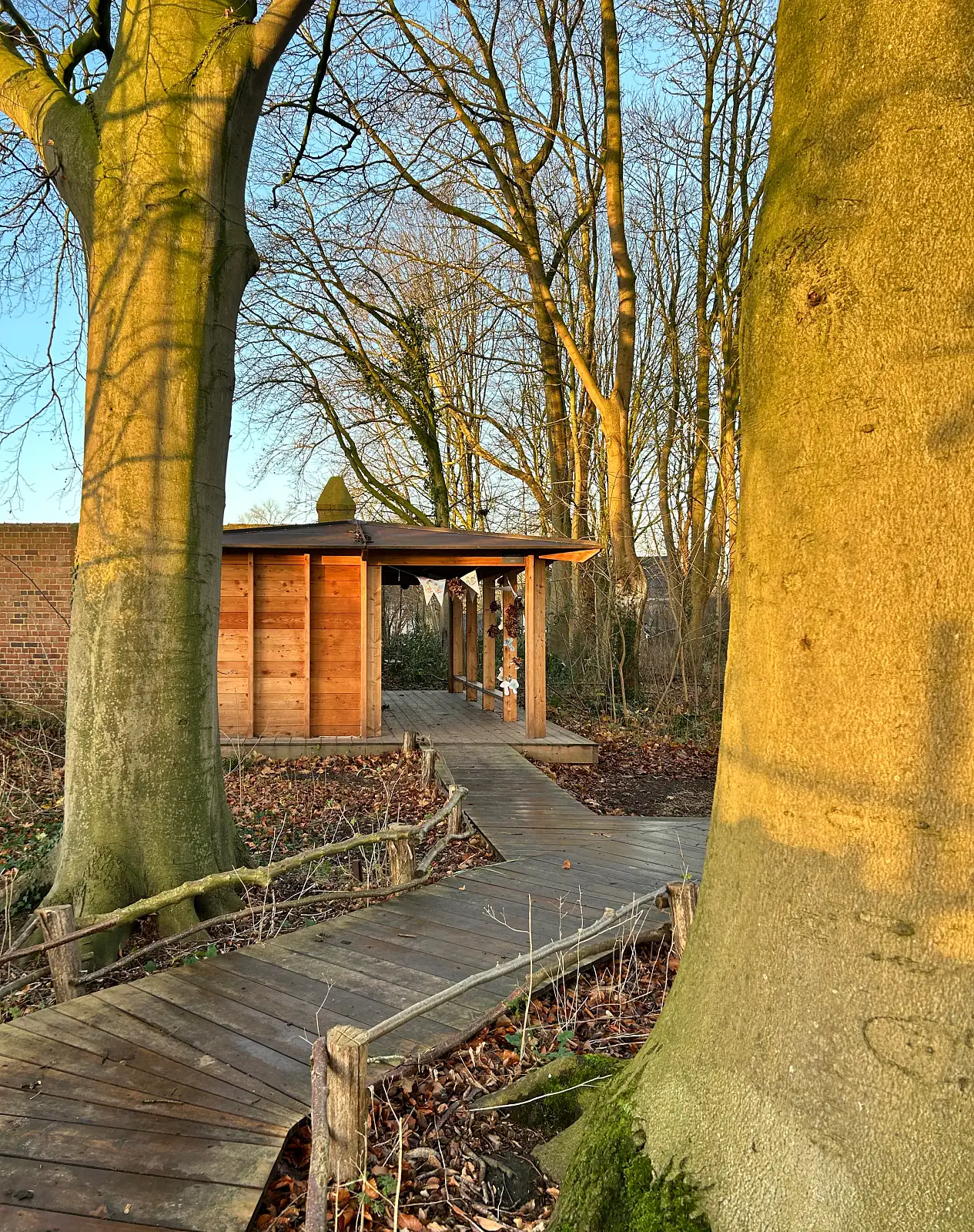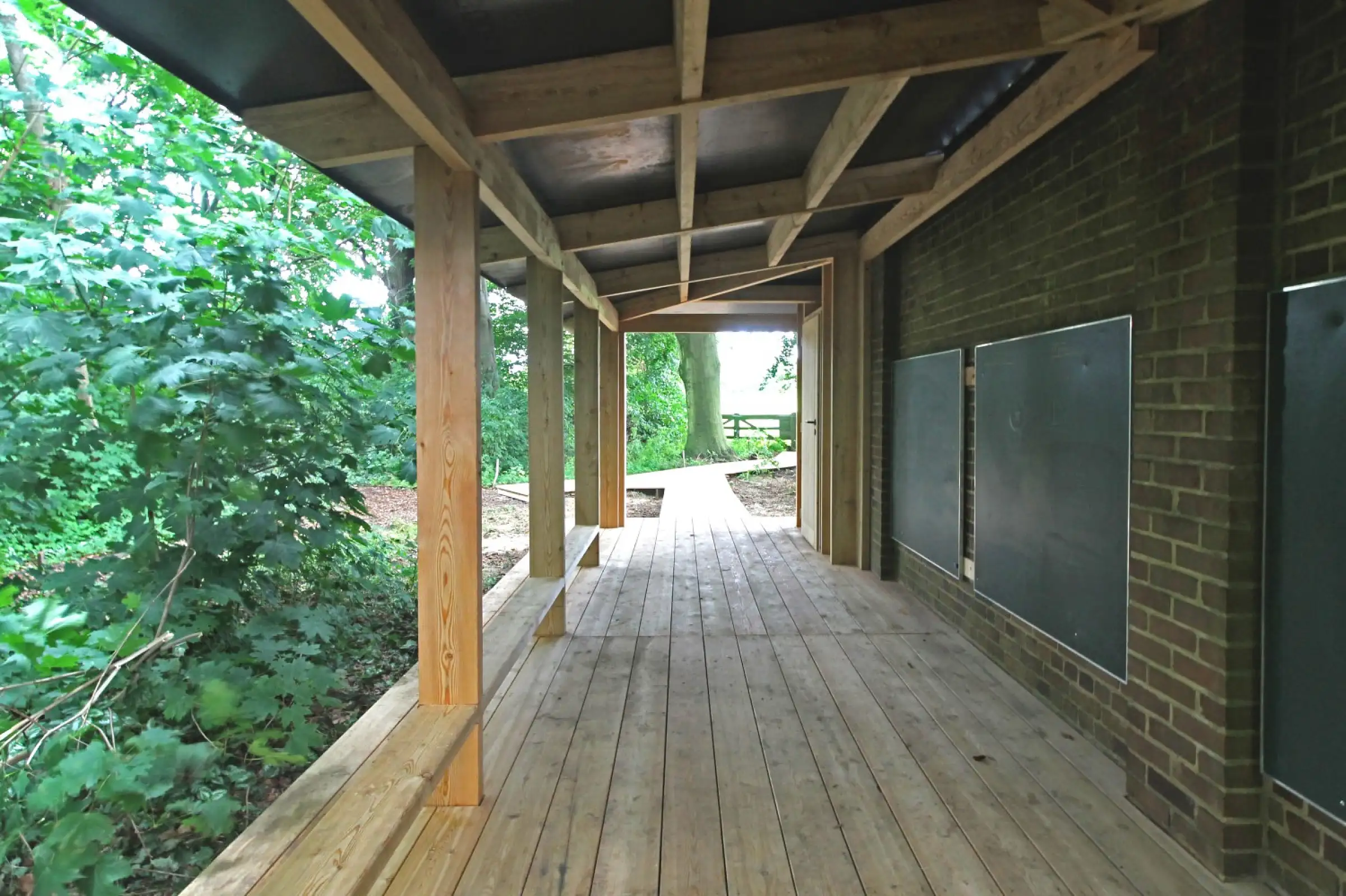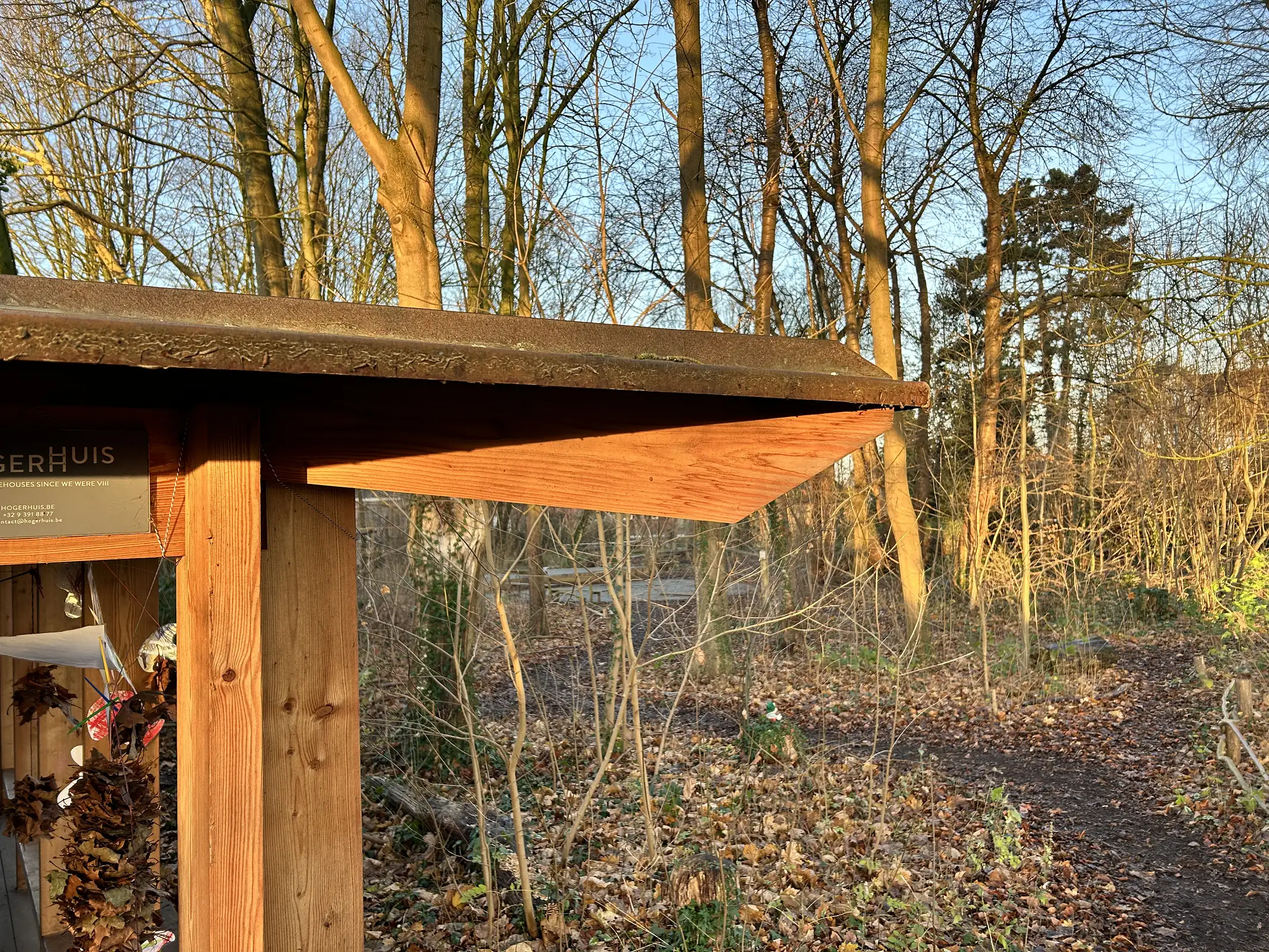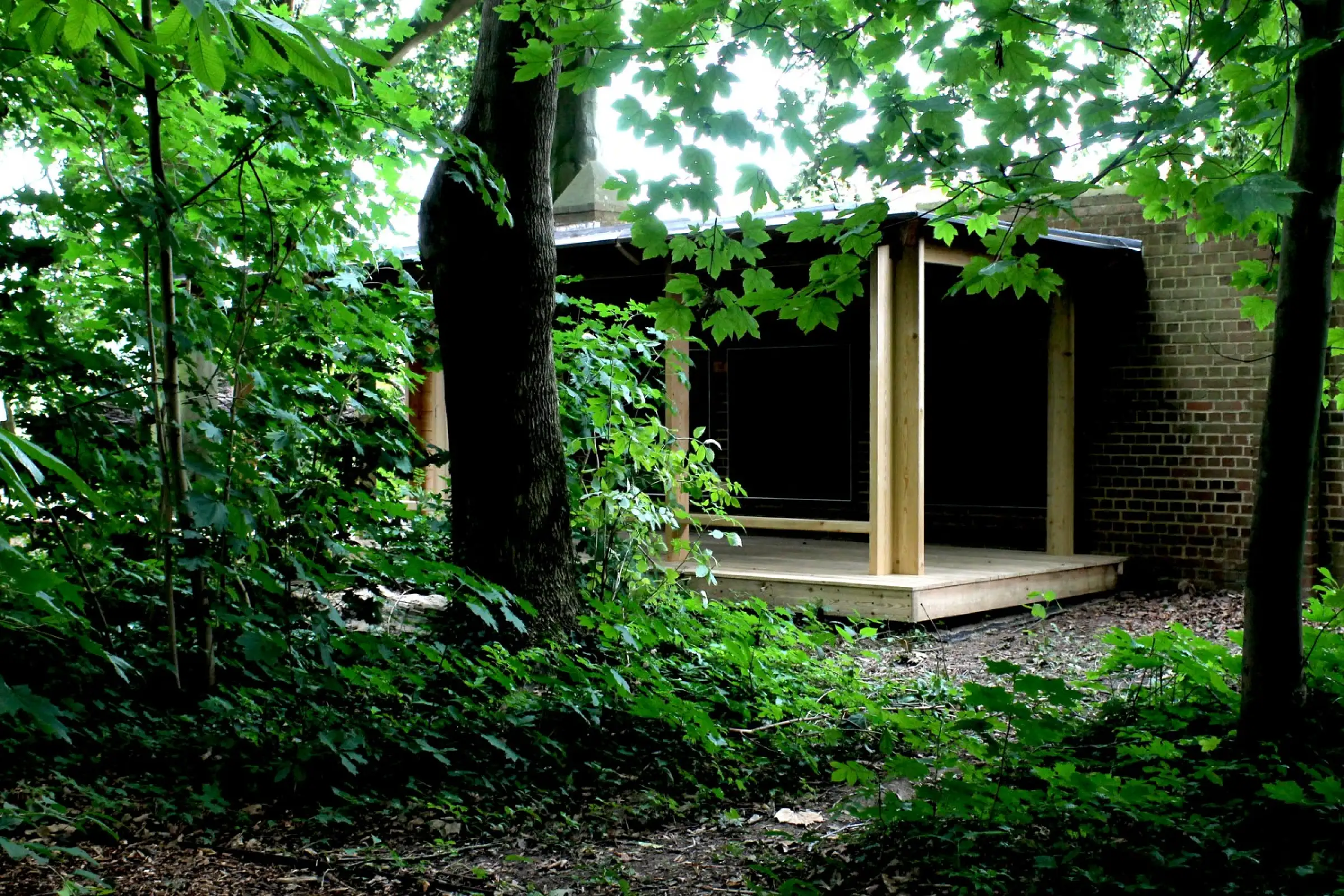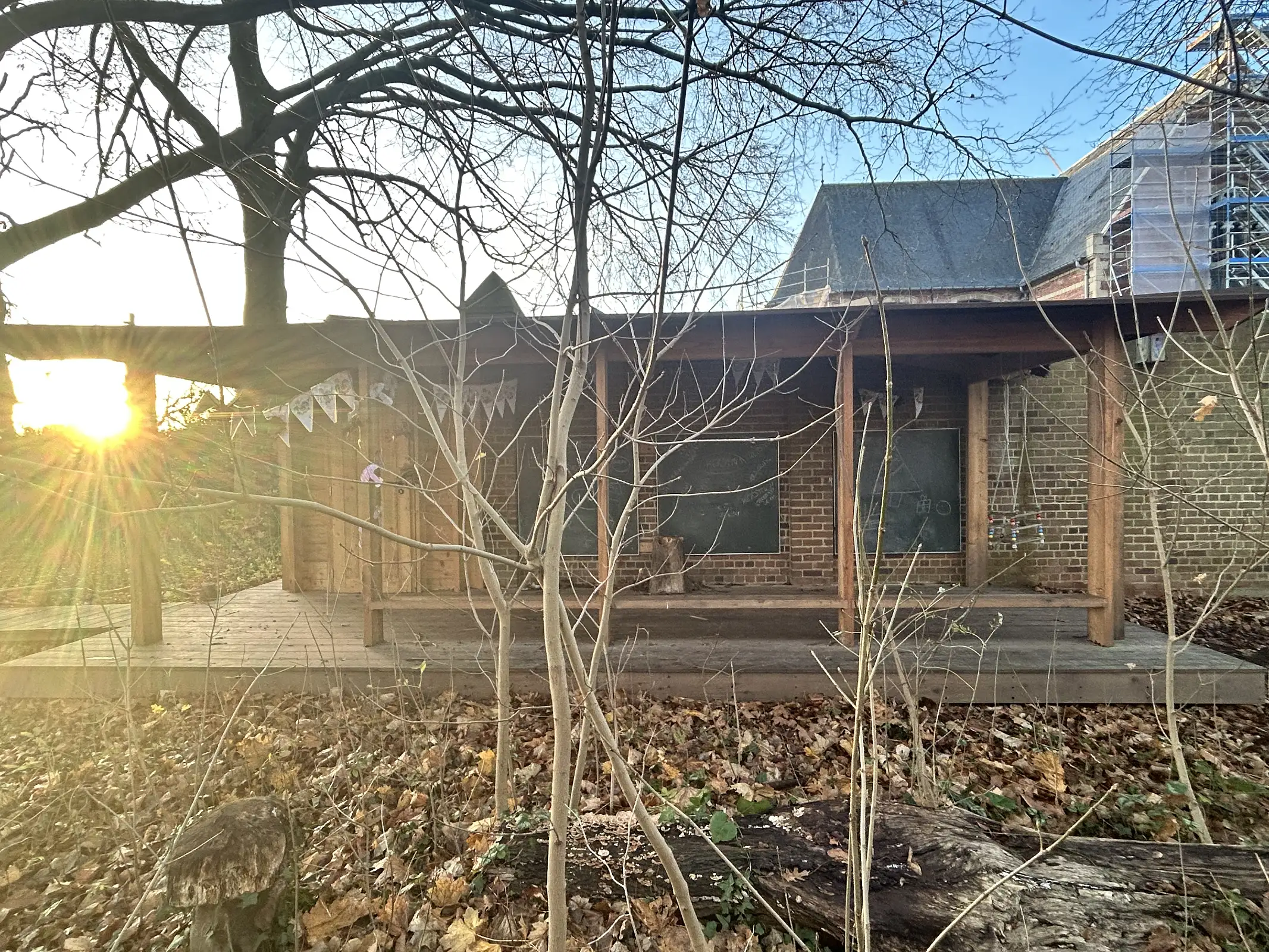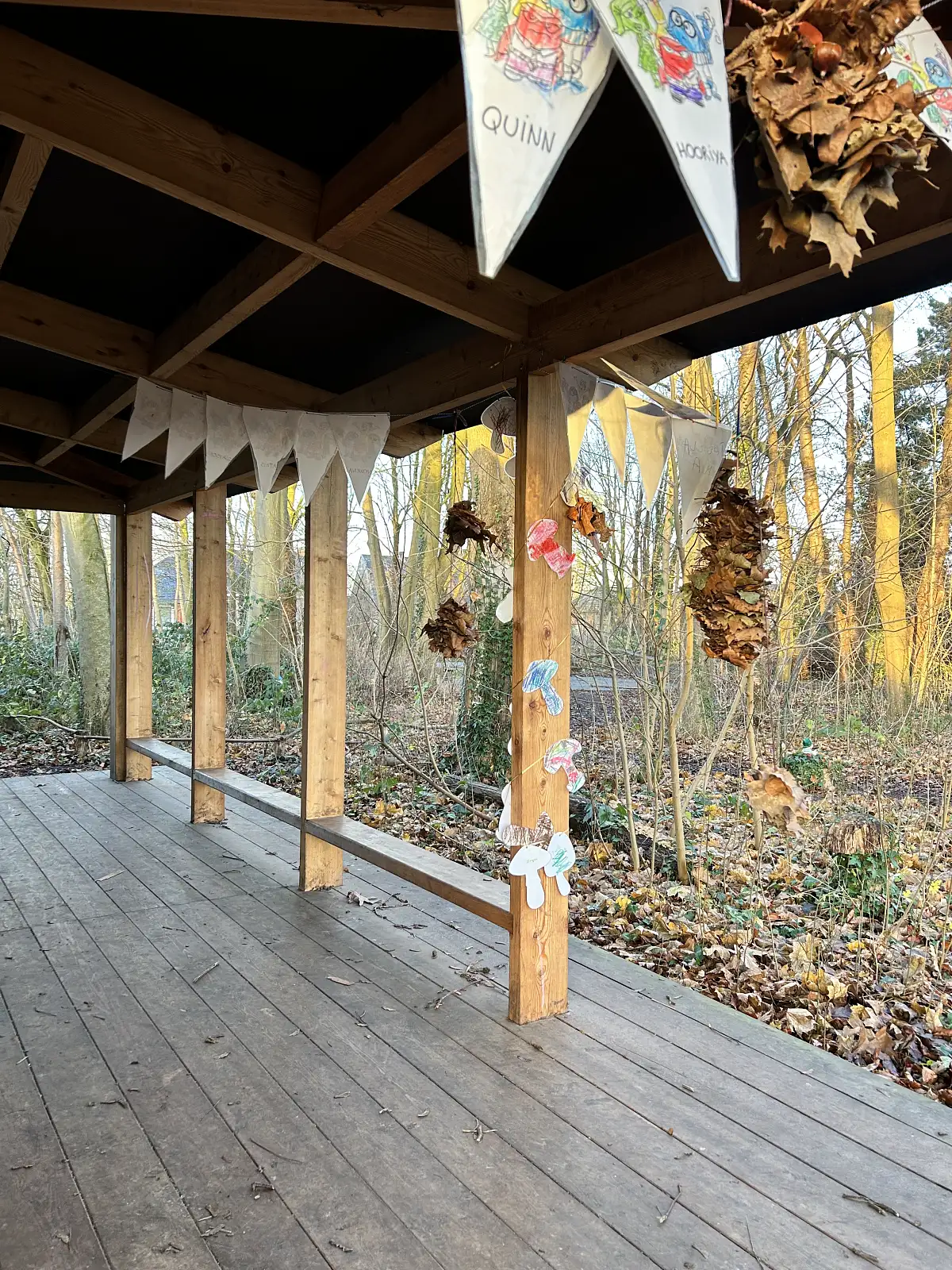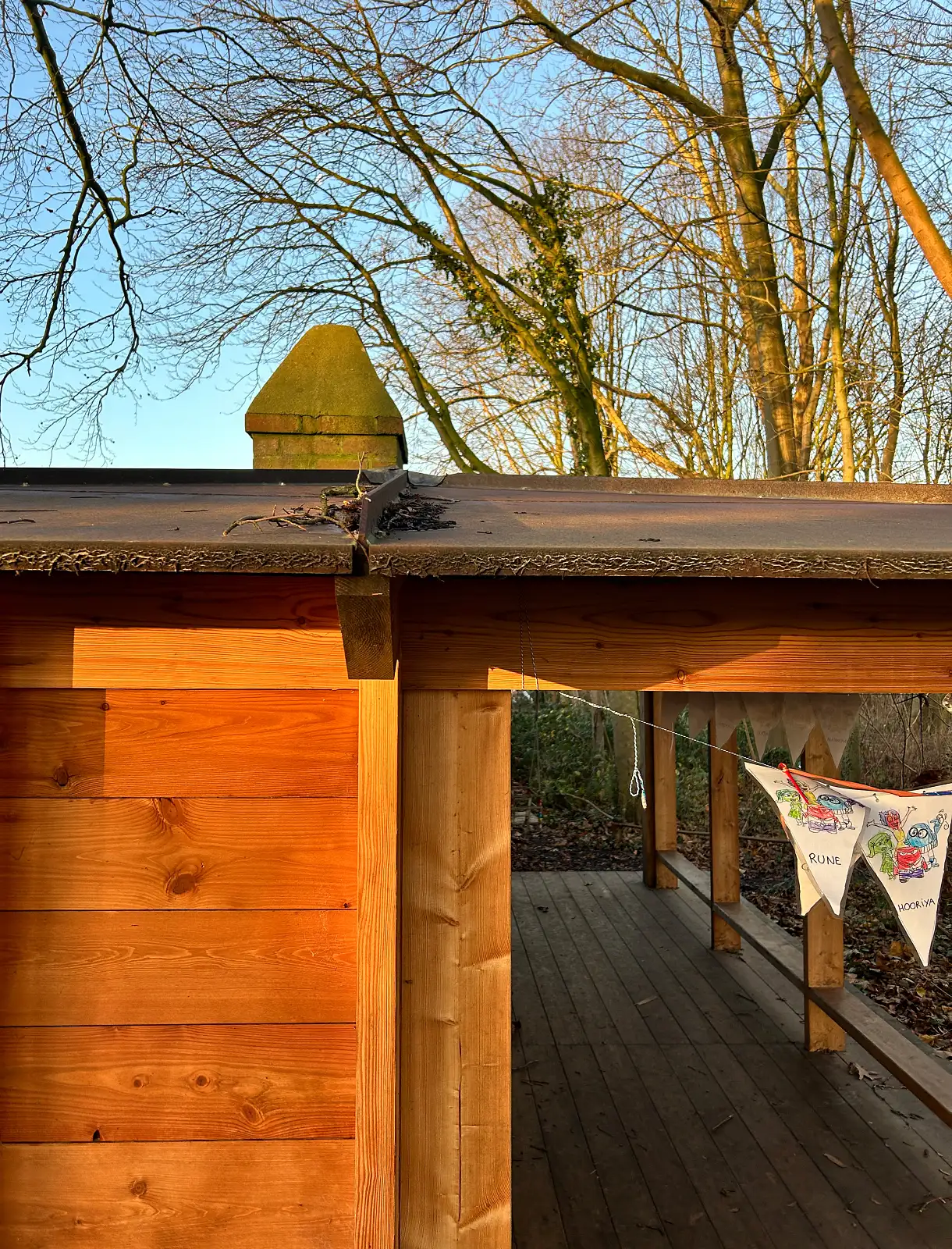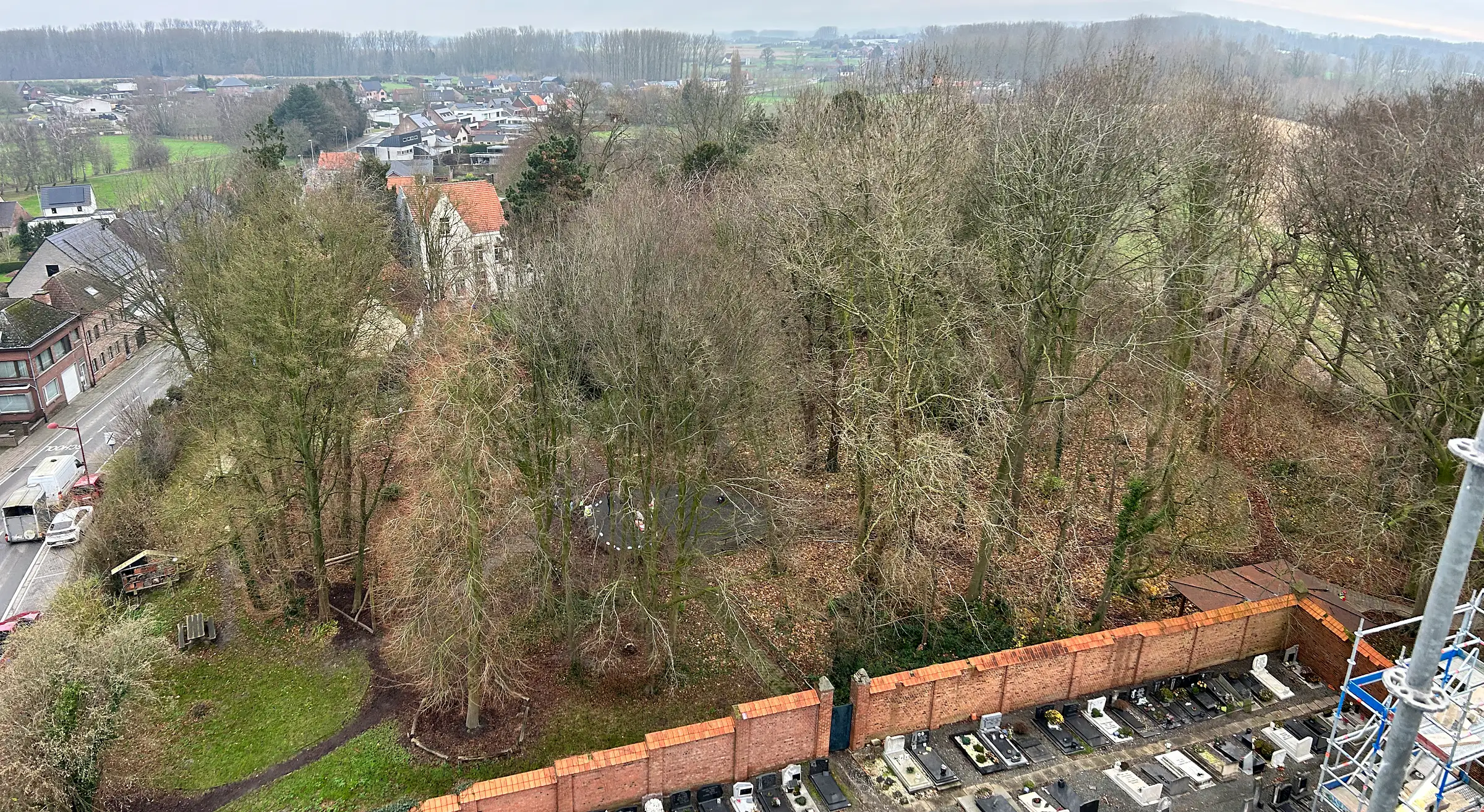
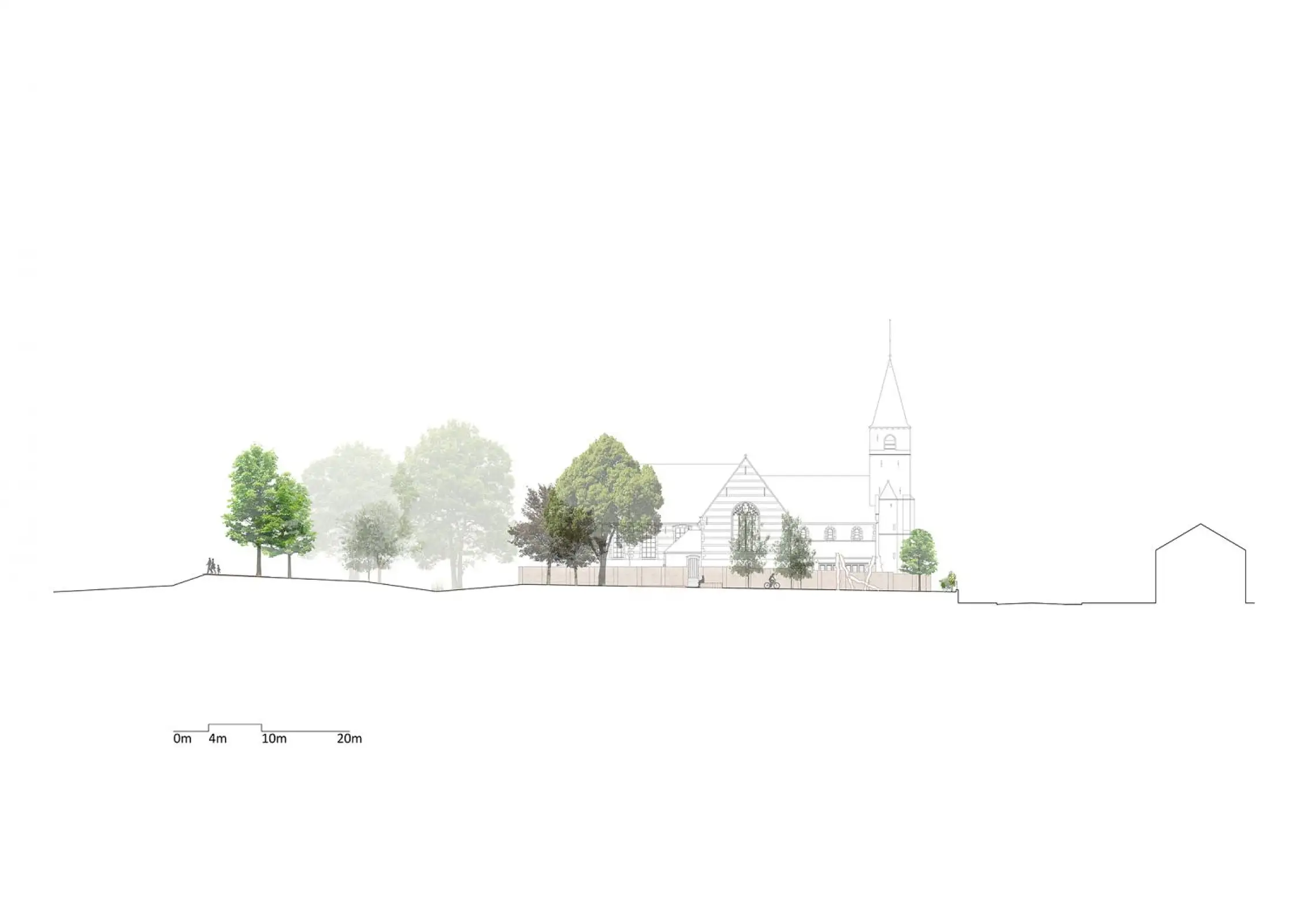
In recent decades, efforts succeeded in protecting the presbytery garden and cemetery, ensuring that the green zone with its valuable trees was not replaced by housing developments. This protection prevented the so-called strategic “filling in” of gaps in the ribbon development, as if by a plastic surgeon intent on closing every space in a mouth to achieve a perfect smile. Urbanism is anything but orthodontics. These openings in our fragmented ribbon landscapes are valuable and should be cherished, as they form the links between roads and the landscape beyond, between movement and stillness, between culture and nature. The model of densifying rural centers is important and necessary, but it can be achieved in other ways than the traditional subdivision, where a field along a road is simply sliced up like strips of cheese.
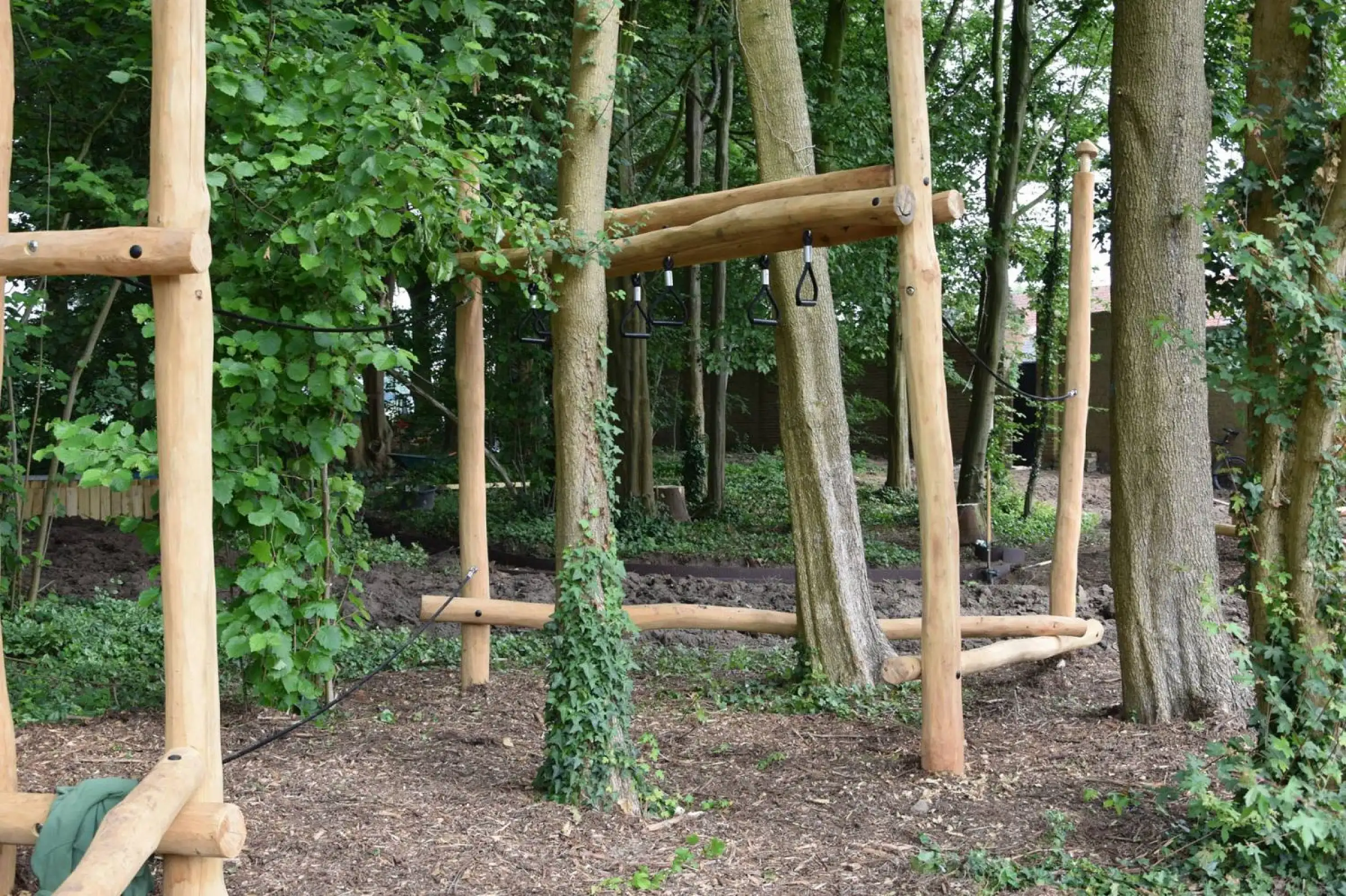
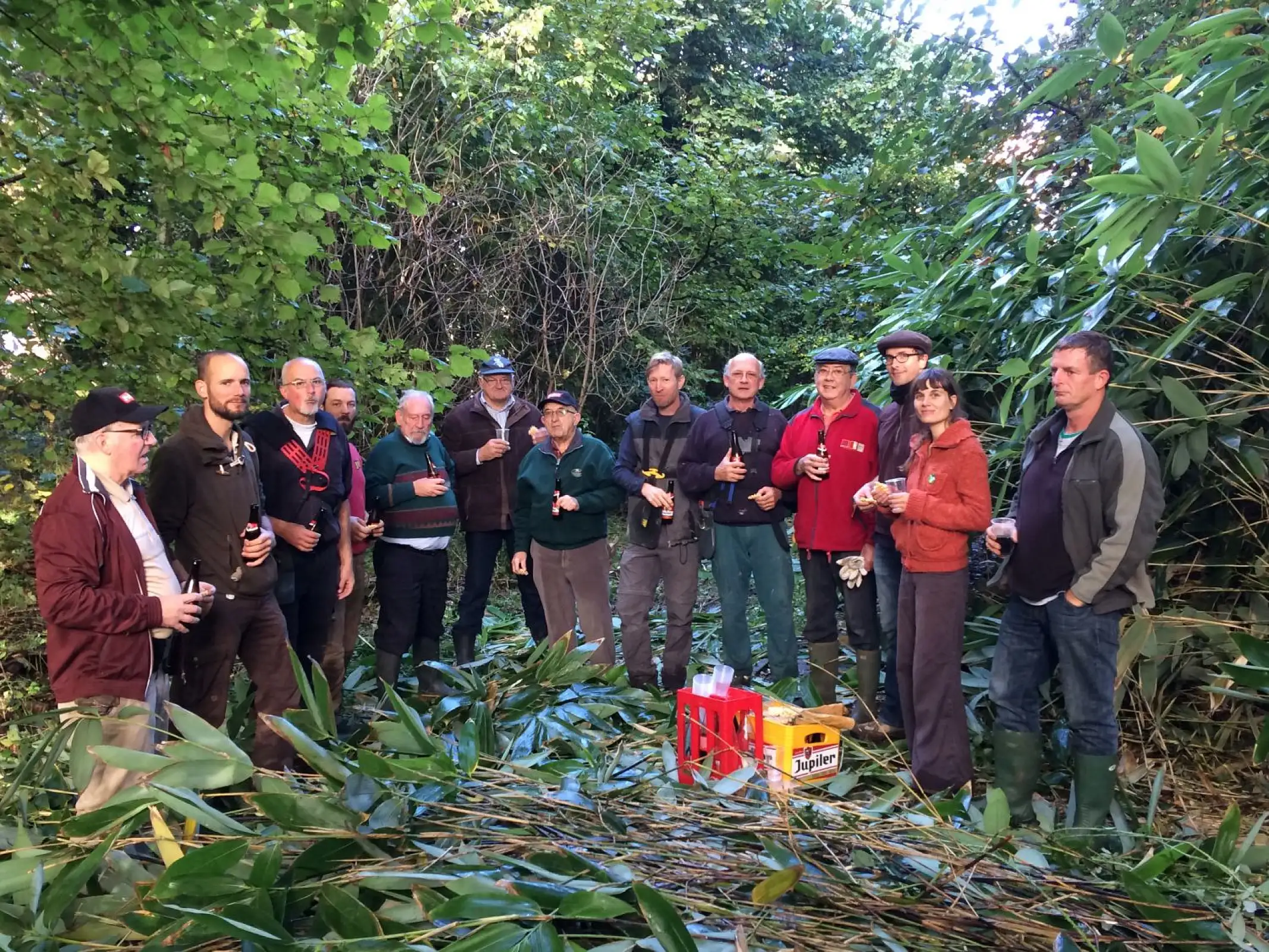
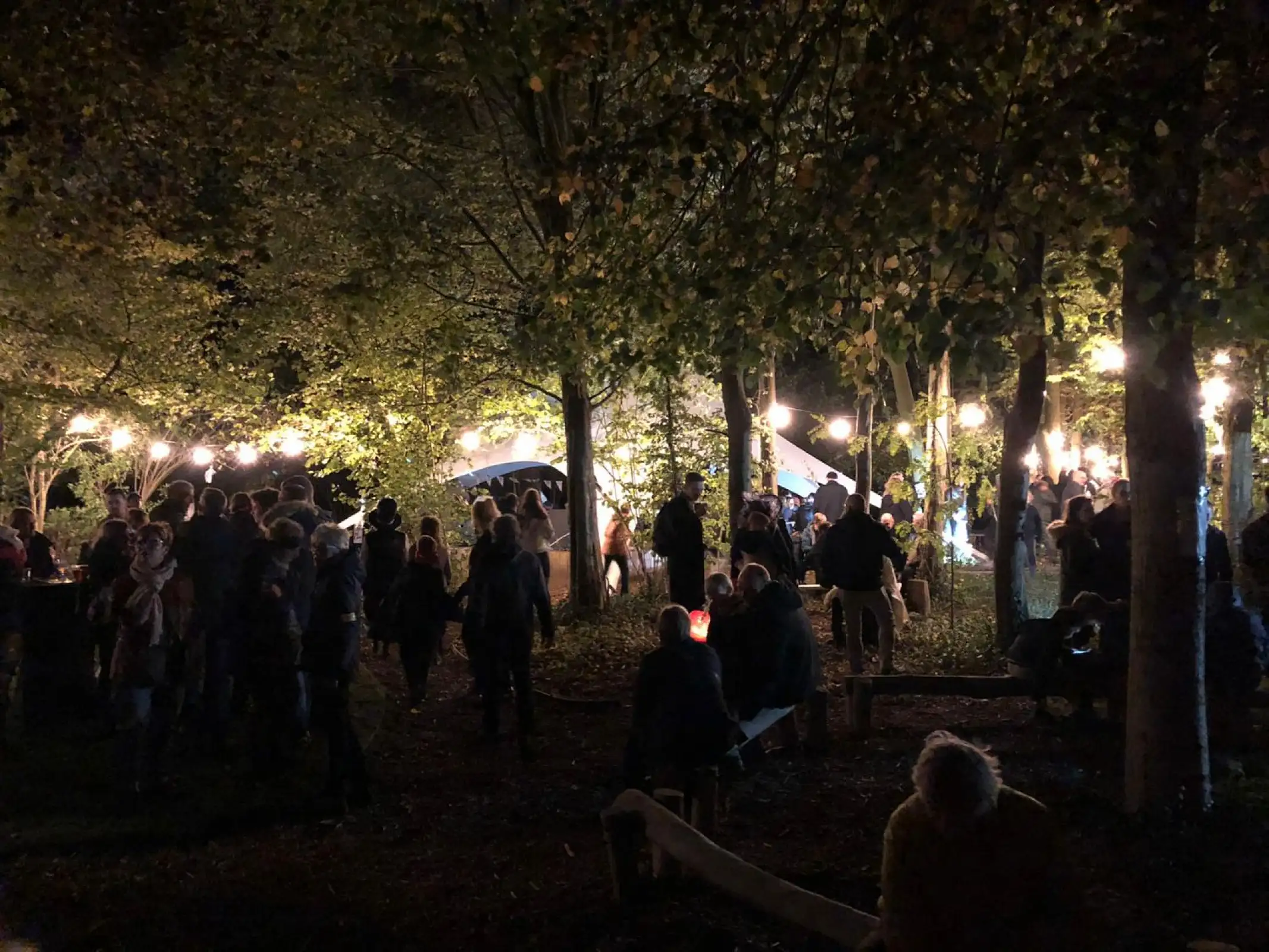
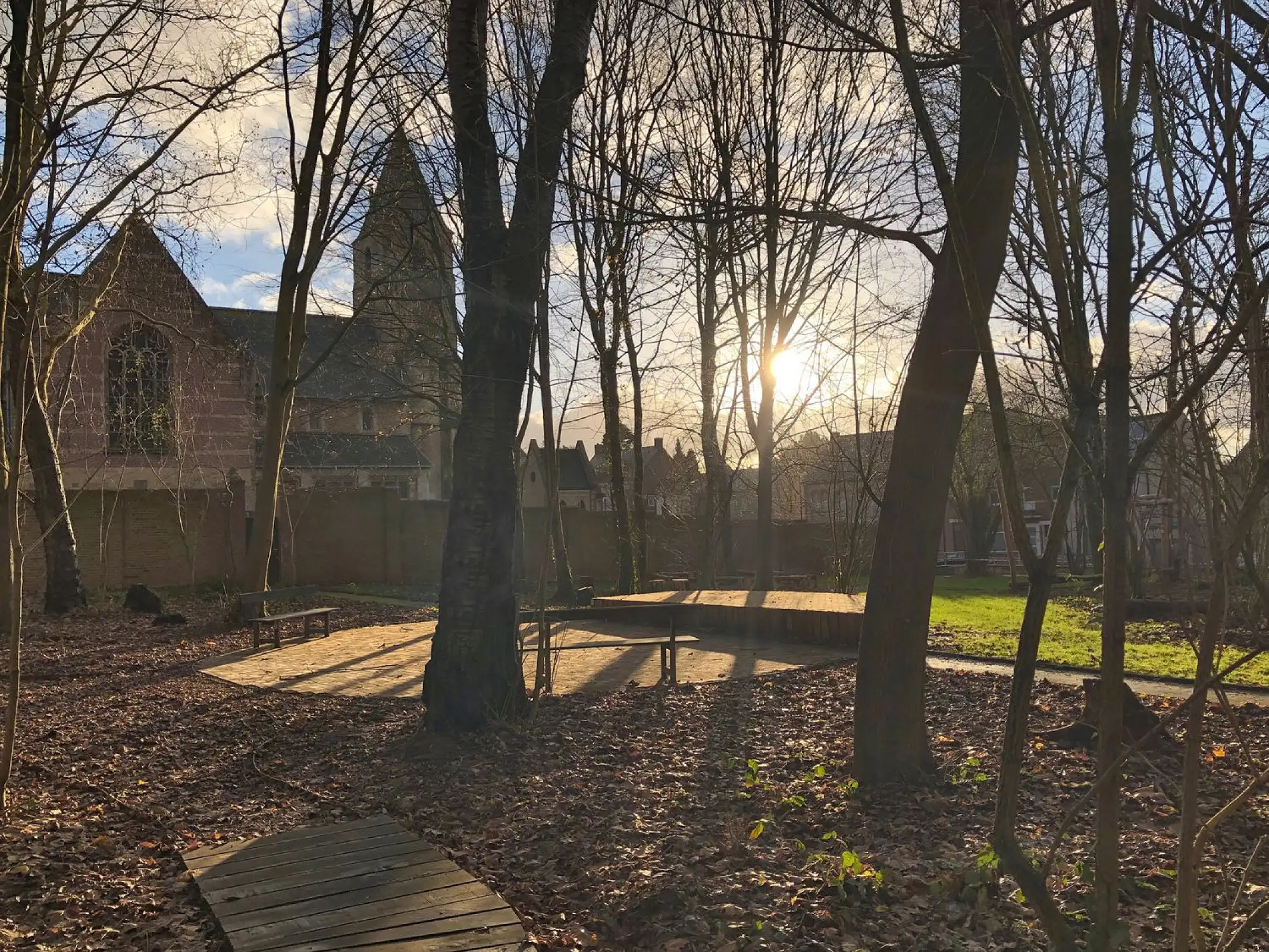
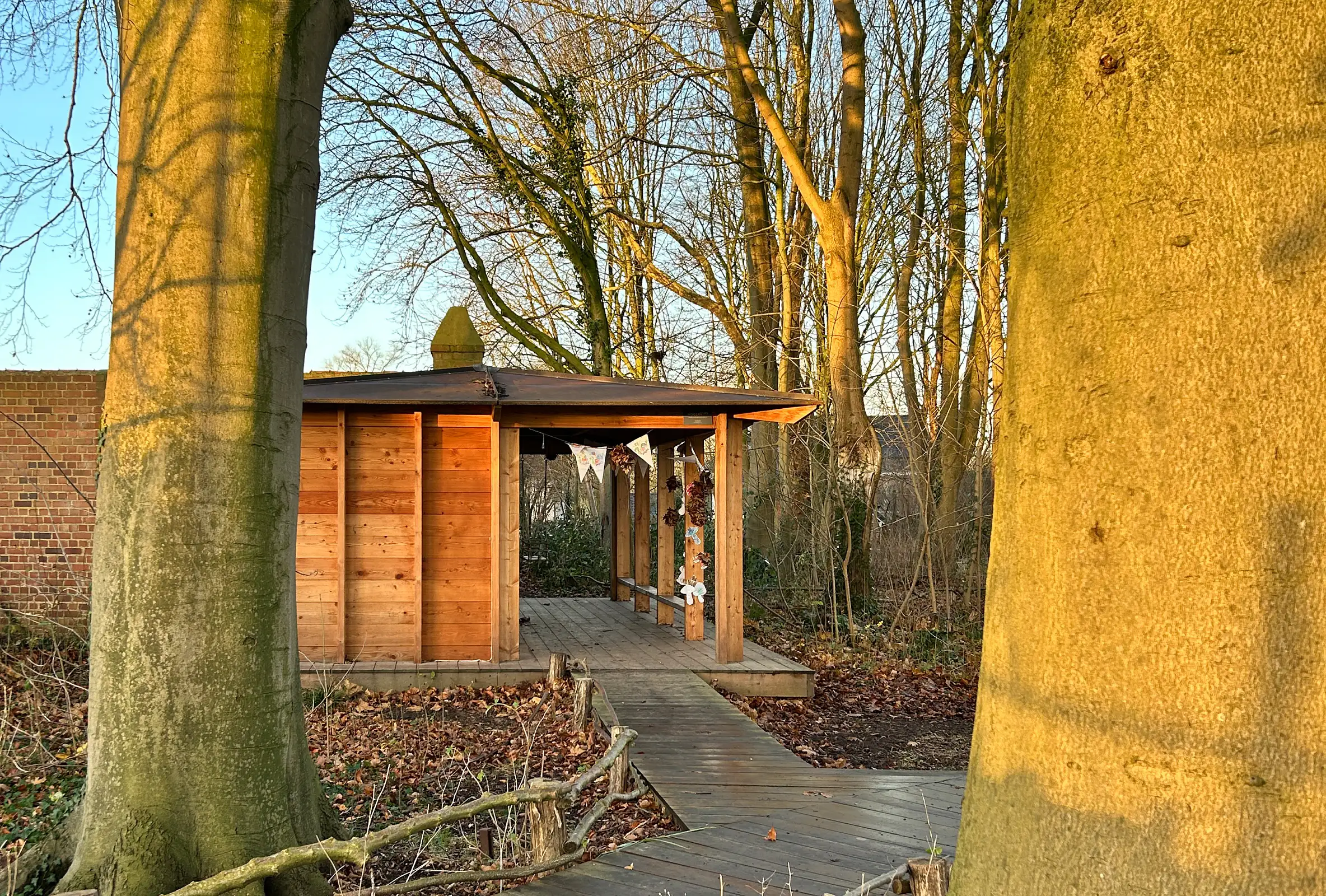
A neighborhood committee of motivated villagers, together with the Heritage Department, explored and rediscovered historical structures in the garden. Volunteers, supported by provincial subsidies, transformed the garden into a new meeting place: a green square for a village whose authenticity had been gradually lost through increasing traffic. The rich history and historic layers had nearly disappeared after successive optimization campaigns serving the reign of the automobile. Trees, farmsteads, village cafés, and footpaths have all vanished in the name of safer and faster traffic along the main roads, and it seemed only logical to scatter buildings across the landscape, supposedly in an orderly way along those ‘well-equipped’ roads.
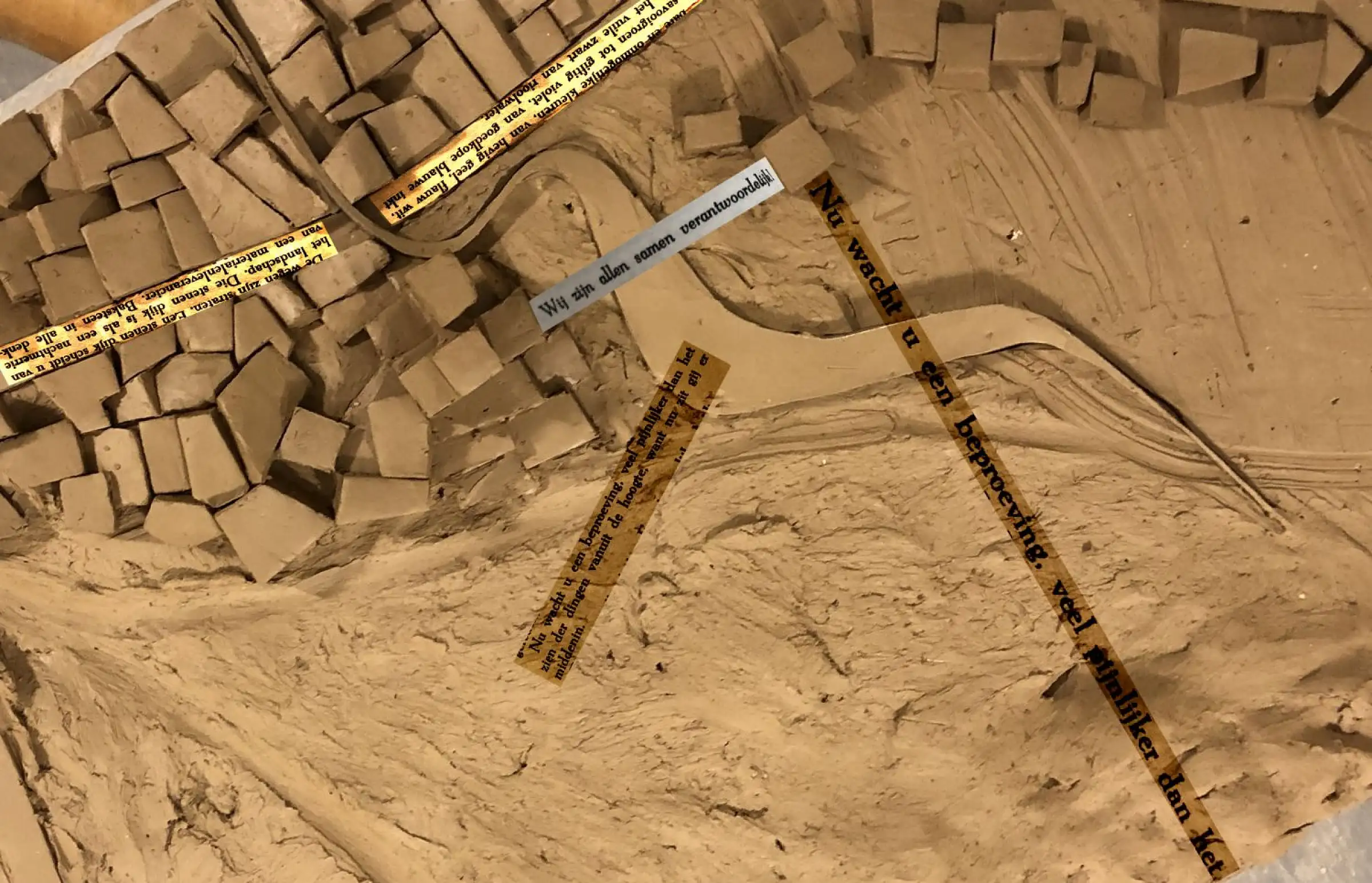
This became the starting point for an artistic work addressing this issue. A work that not only tells the story of the historical layering of a landscape by zooming out and, from Braem’s aerial perspective, letting the viewer feel what has become of their village, but also one that creates perspective and space for reflection on planning, place, and structure for the future. Instead of continuing to consume space and reshape our landscape: “cut down a tree, and people no longer gather around it, the birds no longer sit on its branches, and the wind no longer breaks in the same way.”[i]
[i] Otobong Nkanga in De Morgen, special supplement, February 6, 2019, p.11